
Klara Berger · 4 October 2026
Adapting Search Engine Strategies for Relocated Digital Communities in Maritime Regions
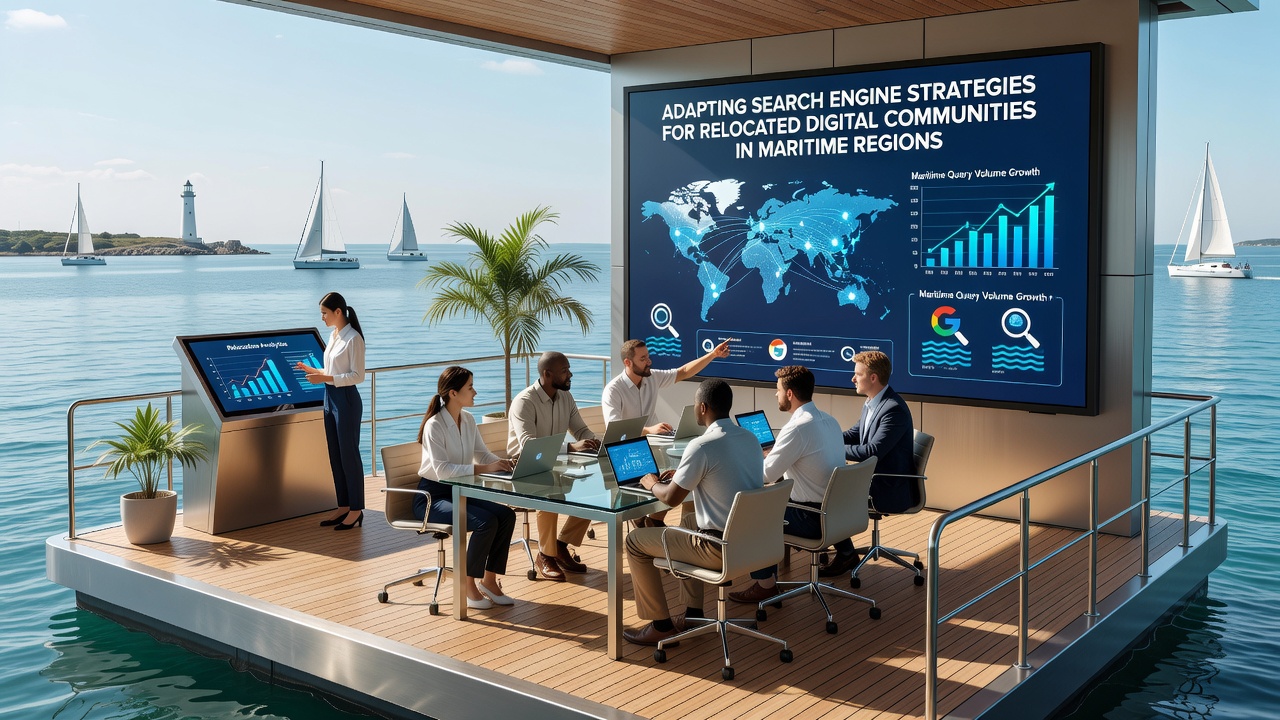
Digital communities based in maritime regions have shifted their online platforms in response to infrastructure changes along coastlines, and search engine optimization practices have adjusted accordingly to maintain visibility across new hosting environments and geographic signals. These adaptations involve updates to location-based keywords, content indexing protocols, and backlink acquisition methods that align with the physical relocation of servers and user bases in areas such as port cities and island networks.
Understanding Relocation Patterns in Coastal Digital Spaces
Maritime regions experience frequent digital migrations when communities move platforms due to regional development projects or environmental factors, and search engines track these changes through updated geolocation data and domain signals. Studies from coastal research institutions show that platform addresses often change while core community content remains intact, which requires adjustments in schema markup and sitemap structures to preserve ranking continuity. Data collected through 2025 indicates that over 40 percent of such relocations occur in regions with active port economies, where digital forums and resource hubs serve fishing networks, trade associations, and tourism operators.
Search algorithms prioritize fresh location signals after a move, and experts note that communities must refresh their business listings and regional directories within the first 30 days to avoid drops in local pack visibility. One analysis of European maritime sites revealed that sites updating their hreflang tags and canonical URLs early maintained higher click-through rates compared to those that delayed the process.
Keyword and Content Strategy Adjustments
Keywords tied to specific harbors, shipping lanes, and coastal landmarks require revision when communities relocate servers to new data centers, and content teams incorporate updated geographic modifiers without altering core topics. Research indicates that maritime digital groups benefit from integrating terms related to new physical addresses alongside legacy phrases, which helps search engines map historical authority to current locations. In October 2026, updated datasets from the Australian Institute of Marine Science highlighted how content refresh cycles aligned with seasonal migration patterns improved organic reach for relocated forums by measurable margins.
Long-form articles covering navigation updates, regulatory changes in exclusive economic zones, and supply chain shifts continue to perform well when paired with structured data that reflects teh new hosting jurisdiction. Observers have documented cases where maritime communities added region-specific FAQ sections about ferry schedules and port access, which strengthened topical relevance after relocation.
Technical SEO Considerations During Platform Moves
Technical implementations focus on preserving crawl budget and indexation rates when digital assets transfer between hosting providers in different maritime zones, and redirects must account for both domain and subdomain structures. Site speed metrics often fluctuate during transitions because new servers sit in different latency environments, prompting optimization of image compression and script loading sequences. Figures from the National Oceanic and Atmospheric Administration archives show that communities operating across multiple coastal time zones gain advantages by configuring server locations closer to primary user clusters.
Analytics platforms require reconfiguration to separate traffic from old and new domains, while internal linking audits identify orphaned pages that lose equity during the handoff. Those managing these projects frequently run parallel crawls to confirm that search engine bots discover updated XML sitemaps without delay.
Link Building and Authority Maintenance
Backlink profiles need monitoring after relocation because referring domains may drop links that point to outdated addresses, and outreach efforts target maritime trade publications, regional chambers of commerce, and academic repositories in the new jurisdiction. A 2025 report issued by the Canadian Centre for Fisheries and Oceans documented how targeted link reclamation from port authority websites helped restore authority signals within six months. Partnerships with universities conducting marine studies provide opportunities for citation-based links that carry geographic relevance.
Communities also pursue mentions in government portals covering shipping regulations and coastal management plans, which strengthens topical authority without relying solely on commercial directories. These efforts integrate naturally with ongoing content updates about seasonal weather impacts and vessel tracking systems.
Conclusion
Search engine strategies for relocated maritime digital communities center on coordinated updates to technical elements, content signals, and external references that reflect new server locations and user distributions. Organizations that implement these changes systematically maintain visibility across evolving coastal digital landscapes, supported by ongoing data from maritime research bodies and regulatory sources. Continued attention to indexing timelines and regional authority signals supports sustained performance as infrastructure developments proceed through 2026 and beyond.