Erik Beck · 6 September 2026
Data Privacy Adjustments in Response to Platform Relocations for Specialized Interest Groups
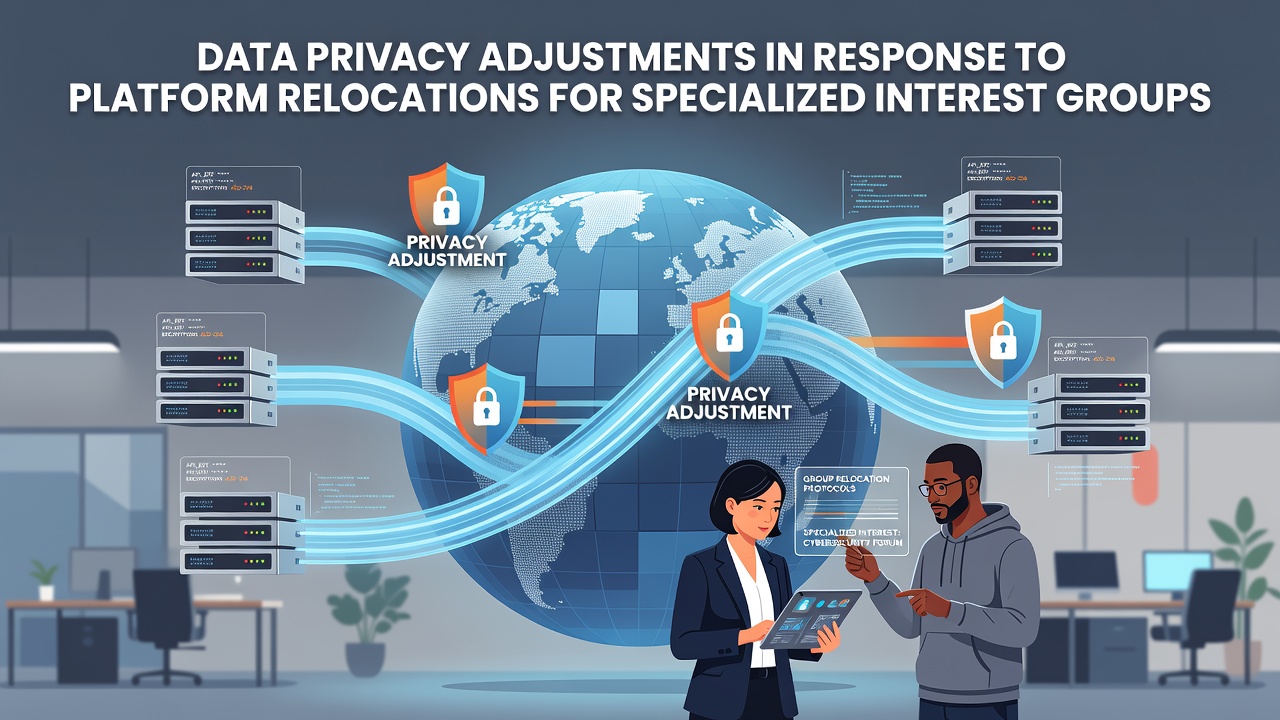
Platform relocations have prompted specialized interest groups to recalibrate their data privacy protocols as servers shift across jurisdictions and data handling practices evolve to match new regulatory environments. Organizations ranging from rare disease support networks to hobbyist collector forums have faced these shifts when infrastructure moves to different countries, which triggers requirements for consent mechanisms, data localization, and cross-border transfer safeguards. Researchers tracking these changes note that groups with smaller memberships often lack dedicated legal teams yet must still align with frameworks such as the EU's General Data Protection Regulation and Canada's Personal Information Protection and Electronic Documents Act.
Regulatory Triggers Behind Relocations
Companies operating platforms for these communities relocate infrastructure for reasons including cost optimization, latency reduction, and compliance with emerging data residency rules, yet each move activates fresh privacy obligations. When servers transfer from one region to another, data controllers must reassess lawful bases for processing, update privacy notices, and sometimes renegotiate processor agreements. Data from regulatory filings show that between 2023 and 2025, multiple community platforms migrated operations to facilities in Switzerland and Singapore, jurisdictions chosen partly because they maintain adequacy decisions under European standards while offering operational efficiencies. Observers note that specialized groups handling sensitive health or personal affiliation data encounter heightened scrutiny during such transitions, since even minor jurisdictional changes can alter breach notification timelines and individual rights enforcement.
Practical Adjustments Implemented by Groups
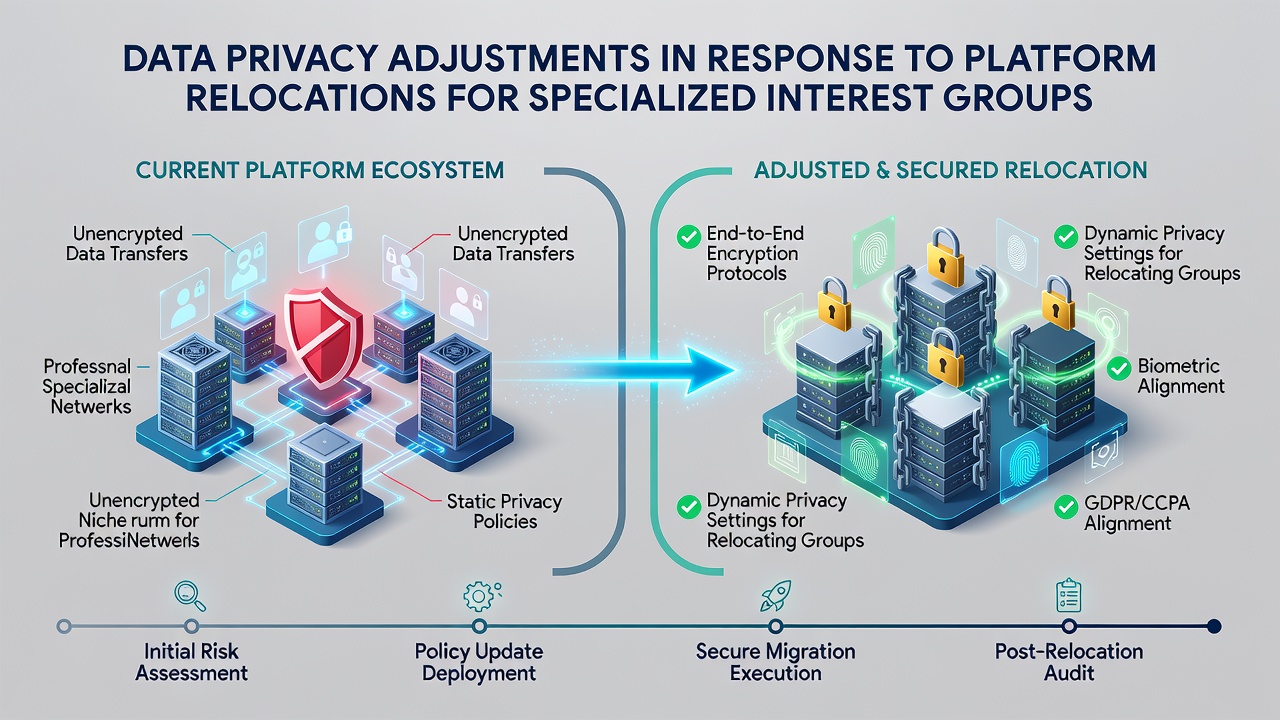
Community administrators respond by deploying layered consent flows, encrypting data at rest and in transit, and conducting vendor audits before finalizing any relocation. One study revealed that platforms serving niche professional associations introduced granular data portability tools after moving to new cloud regions, allowing members to export their interaction histories without loss of context. Another adjustment involves mapping data flows to identify where information crosses borders, which helps groups prepare impact assessments required under various statutes. Those managing forums for cultural heritage enthusiasts, for instance, have adopted pseudonymization techniques to reduce re-identification risks once data resides under different legal regimes.
Impact on Member Trust and Participation
Membership retention patterns indicate that transparent communication during relocations correlates with sustained engagement, as users receive clear explanations of how their information will be protected under the new setup. Groups that publish detailed migration timelines and host Q&A sessions report lower opt-out rates compared with those issuing only standard notices. Figures from industry reports highlight that platforms supporting disability advocacy networks experienced temporary dips in forum activity when privacy updates coincided with server moves, yet activity rebounded once members verified the enhanced safeguards. External sources such as the Federal Trade Commission have documented similar trends in consumer-facing services undergoing infrastructure changes, underscoring the value of proactive disclosure.
Technical Measures and September 2026 Developments
Technical teams implement zero-trust architectures and automated data classification systems to maintain compliance after relocation, while monitoring tools track access logs across distributed environments. Preparations for September 2026 include alignment with anticipated updates to international data transfer mechanisms, particularly those affecting adequacy frameworks and standard contractual clauses. Groups anticipate that new verification requirements may take effect around that period, prompting preemptive reviews of their current processor agreements and retention schedules. Academic analyses from research institutions examining platform migrations emphasize that early adoption of interoperable privacy controls reduces friction when future regulatory shifts occur.
Case Examples Across Regions
A network focused on environmental monitoring volunteers adjusted its data handling after moving storage to Australian facilities, incorporating requirements outlined by the Office of the Australian Information Commissioner alongside existing obligations. Similarly, a platform for language preservation communities implemented region-specific deletion protocols following a transfer to Canadian infrastructure. These examples illustrate how specialized groups balance global accessibility with localized compliance, often relying on modular consent systems that accommodate multiple regulatory layers without fragmenting the user experience.
Conclusion
Platform relocations continue to drive iterative refinements in data privacy practices for specialized interest groups, with adjustments centered on consent management, cross-border safeguards, and transparent communication. As infrastructure evolves and September 2026 approaches, ongoing monitoring of regulatory developments remains essential for maintaining compliance across jurisdictions. Evidence from regulatory bodies and research indicates that groups investing in adaptable technical and procedural frameworks achieve smoother transitions while preserving member participation levels.