Ulrich Simmons · 15 November 2026
Interaction Patterns Among Maritime-Themed Digital Collectives During Platform Provider Adjustments
Maritime-themed digital collectives have long gathered around shared interests in sailing routes, vessel maintenance records, and historical ship registries, yet their communication rhythms shift noticeably when platform providers change hosting services or moderation tools. These adjustments often involve data transfers between servers located in different regulatory jurisdictions, which in turn influences how members exchange information about tide tables, equipment suppliers, and safety protocols. Research from coastal community studies shows that participation rates in threaded discussions tend to spike during the initial migration window as users test new interface features and reestablish contact lists.
Platform Transitions and Group Coordination
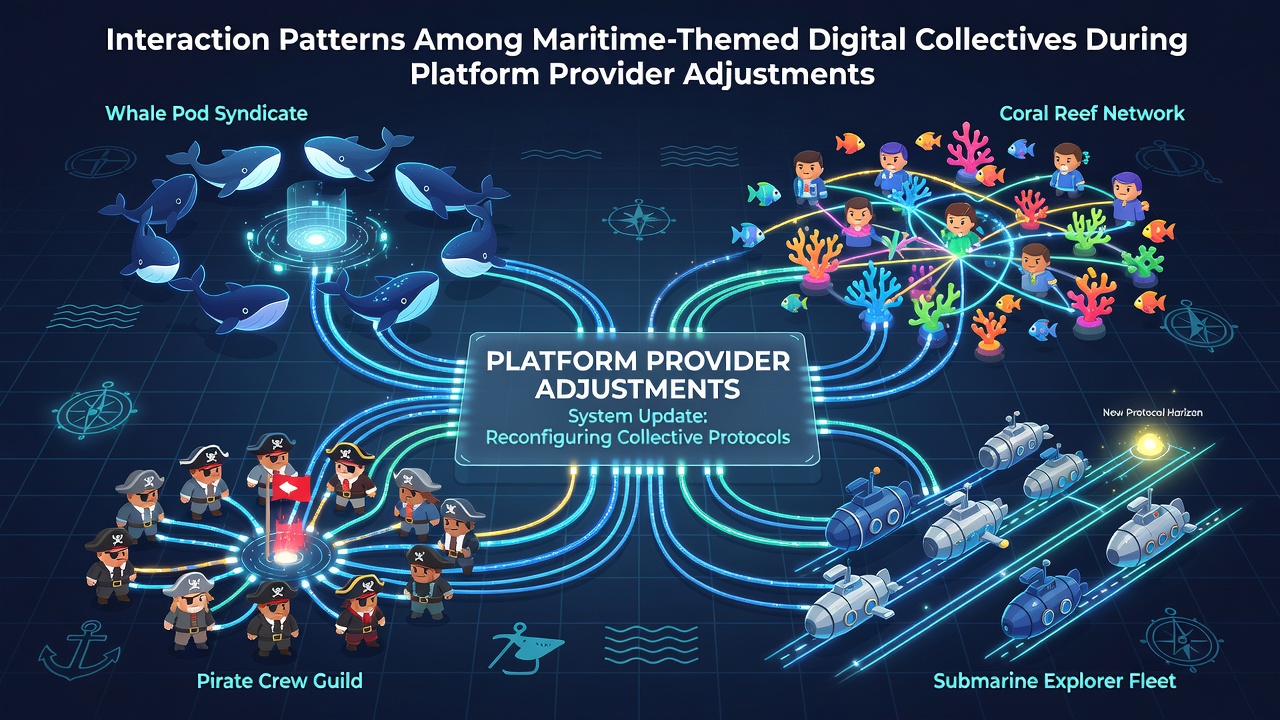
Observers note that collectives centered on topics like wooden boat restoration or offshore racing logs frequently rely on persistent chat channels and archived photo galleries, and when a provider alters its terms around storage limits or API access, members coordinate through backup email lists or temporary mirror sites hosted on alternative domains. Data from digital infrastructure reports indicates that such groups in the European region experienced measurable increases in cross-posting activity between primary forums and secondary social networks during provider switches that occurred between 2023 and 2025. One documented case involved a collective tracking North Atlantic fishing vessel movements that migrated its archive to a new Canadian-hosted platform, resulting in a temporary surge of private message exchanges while users verified that older navigation charts remained intact.
Communication Shifts in November 2026
Scheduled infrastructure updates set for November 2026 are expected to affect several maritime interest platforms simultaneously, prompting collectives to prepare contingency plans that include pre-downloading thread histories and establishing verified member directories. Figures from industry transition analyses reveal that groups focused on Pacific rim yacht registries have already begun experimenting with decentralized tools such as encrypted file-sharing protocols to maintain continuity of discussions about seasonal weather patterns and port regulations. These preparations occur alongside broader regulatory developments in digital service rules across multiple jurisdictions, which require clearer consent mechanisms for data handling during provider handovers.
Observed Interaction Dynamics
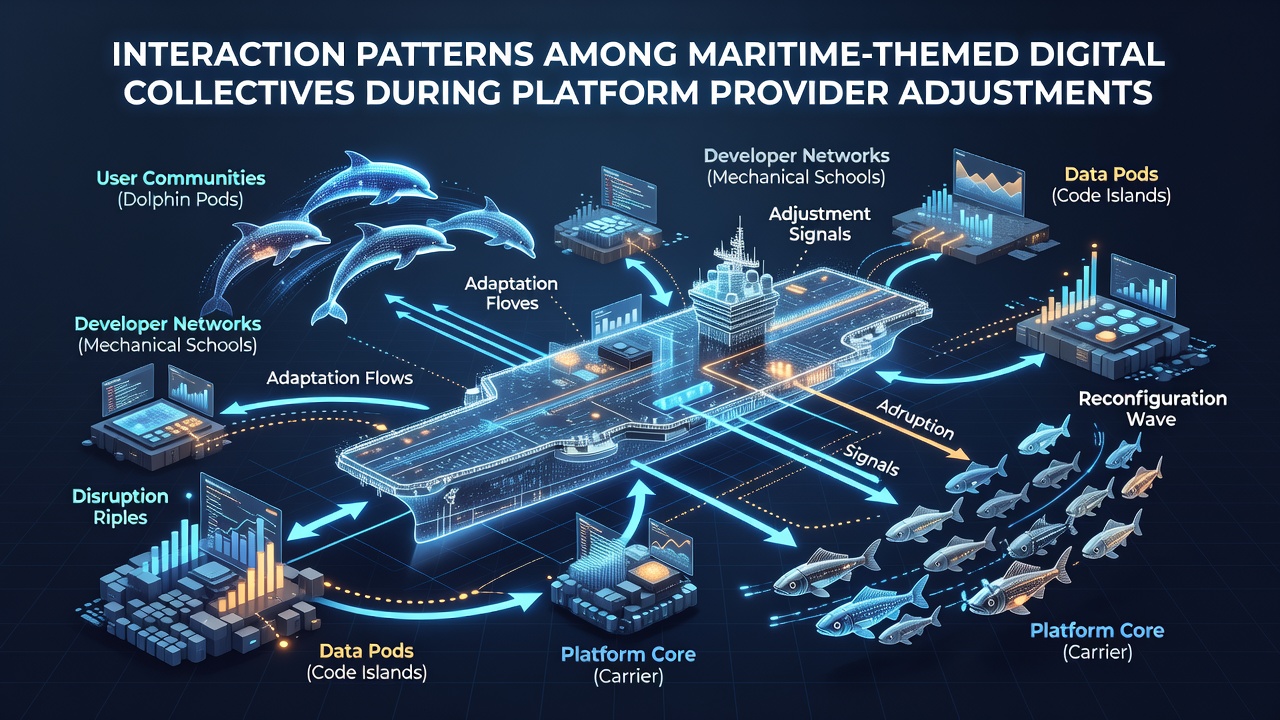
Patterns emerge where core contributors, those who regularly post detailed logs of sail repairs or route optimizations, adopt bridging roles by summarizing key threads for newcomers who join after the transition completes. Studies conducted by research institutions in Australia highlight that maritime collectives demonstrate higher retention of visual content, such as annotated charts and rigging diagrams, compared with text-only exchanges when platforms enforce new compression standards. Members often establish parallel discussion threads that reference both legacy and updated archives, creating layered conversations that link historical data points with current operational queries. This layering allows the group to preserve continuity while adapting to altered search functionalities or notification systems introduced by the incoming provider.
Role of External Resources
According to findings published through the European Commission's digital single market documentation, collectives benefit when they align their internal guidelines with updated data portability standards that facilitate smoother exports of member-generated content. In parallel, reports from Statistics Canada on online community resilience show that groups with established volunteer moderators experience fewer disruptions in real-time coordination during provider adjustments because these moderators pre-emptively map equivalent features across old and new interfaces. Such mapping reduces the volume of repeated questions about basic navigation within the updated platform environment.
Conclusion
Maritime-themed digital collectives continue to refine their interaction patterns in response to ongoing platform provider adjustments, with evidence pointing to increased use of redundant communication channels and structured archiving practices. These adaptations support the sustained exchange of specialized knowledge about maritime activities across changing technical landscapes.