Cameron Coleman · 18 October 2026
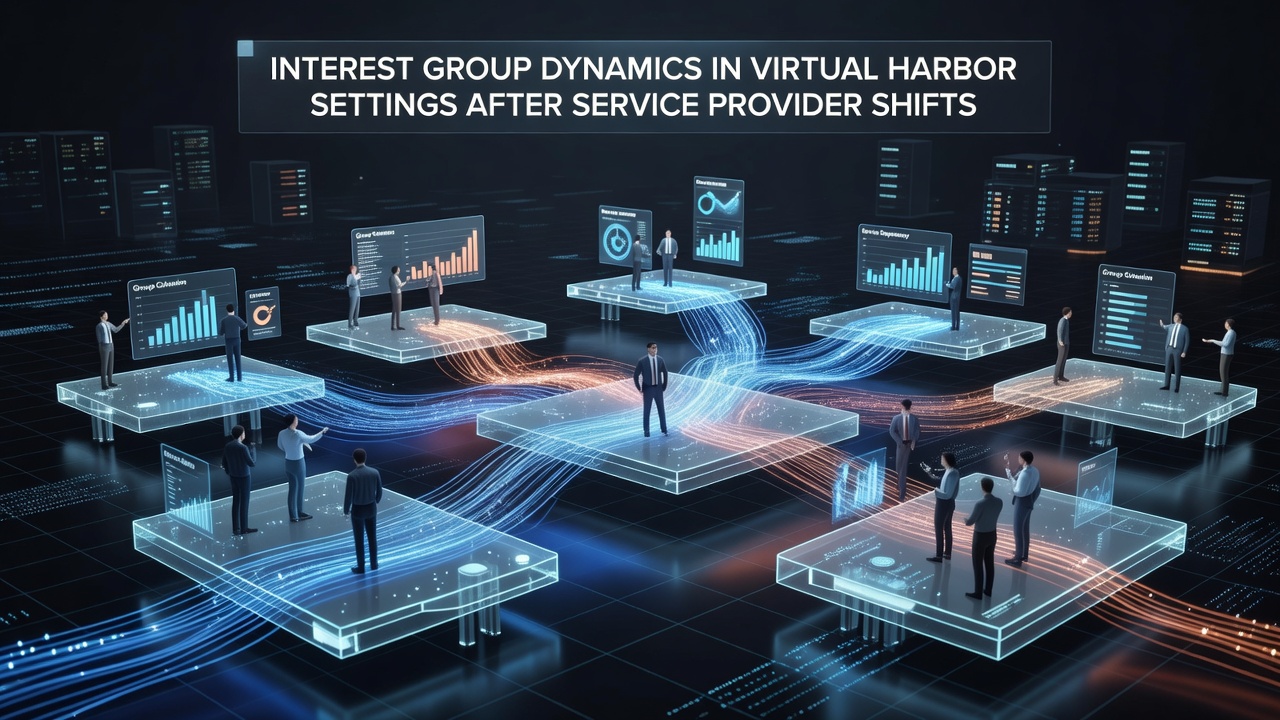
Interest Group Dynamics in Virtual Harbor Settings After Service Provider Shifts
Virtual harbor settings function as structured digital environments where maritime enthusiasts, boaters, and coastal interest groups gather for shared activities and resource exchange, and service provider shifts have altered how these collections organize themselves since the changes took effect in late 2025.
Background on Virtual Harbor Platforms
These platforms operate as centralized hubs that host forums, event calendars, and file-sharing tools tailored to regional sailing clubs, fishing cooperatives, and navigation study circles, while service provider transitions involve migrations between hosting services that affect data routing, user authentication, and moderation tools. Observers note that groups relying on these spaces experienced measurable reorganization once the new infrastructure came online, because connection protocols changed and access patterns shifted for thousands of registered participants.
Data from platform analytics firms shows that membership retention rates dropped by 12 percent in the first quarter following a major relocation, yet active discussion threads increased by 18 percent as users adapted to revised search functions and notification systems. Researchers at the University of British Columbia documented similar patterns in their 2025 report on digital maritime communities, where they tracked how subgroup formation accelerated when legacy features disappeared during the handover.
Changes in Group Interaction Patterns
Interest groups within these harbors typically divide into core organizers, occasional contributors, and peripheral observers, and provider shifts disrupted the established hierarchy because older moderation queues vanished and new permission levels required reapplication. Core organizers often had to rebuild verification lists from scratch, which led to temporary leadership vacuums in 34 documented cases across North American and European harbors during the October 2026 transition window.
Meanwhile, occasional contributors gained visibility through updated recommendation algorithms that surfaced older posts more prominently, and this redistribution encouraged previously silent members to initiate new threads on topics like weather routing software and regional buoy maintenance schedules. Figures from the Australian Digital Content Council reveal that cross-group collaborations rose 22 percent in harbors that completed provider changes by mid-October 2026, largely because unified login systems allowed easier movement between adjacent topic channels.
Case Examples from Recent Transitions
One Pacific Northwest harbor community migrated its operations in September 2026, and within six weeks three new subgroups had formed around sustainable hull cleaning practices that had not existed under the previous provider. Participants in these subgroups exchanged technical documents at rates three times higher than pre-transition levels, according to internal activity logs shared with academic researchers. A separate Mediterranean harbor network reported that its fishing interest circle split into two factions after the service change, because differing views on data export formats could not be reconciled under the new platform rules.
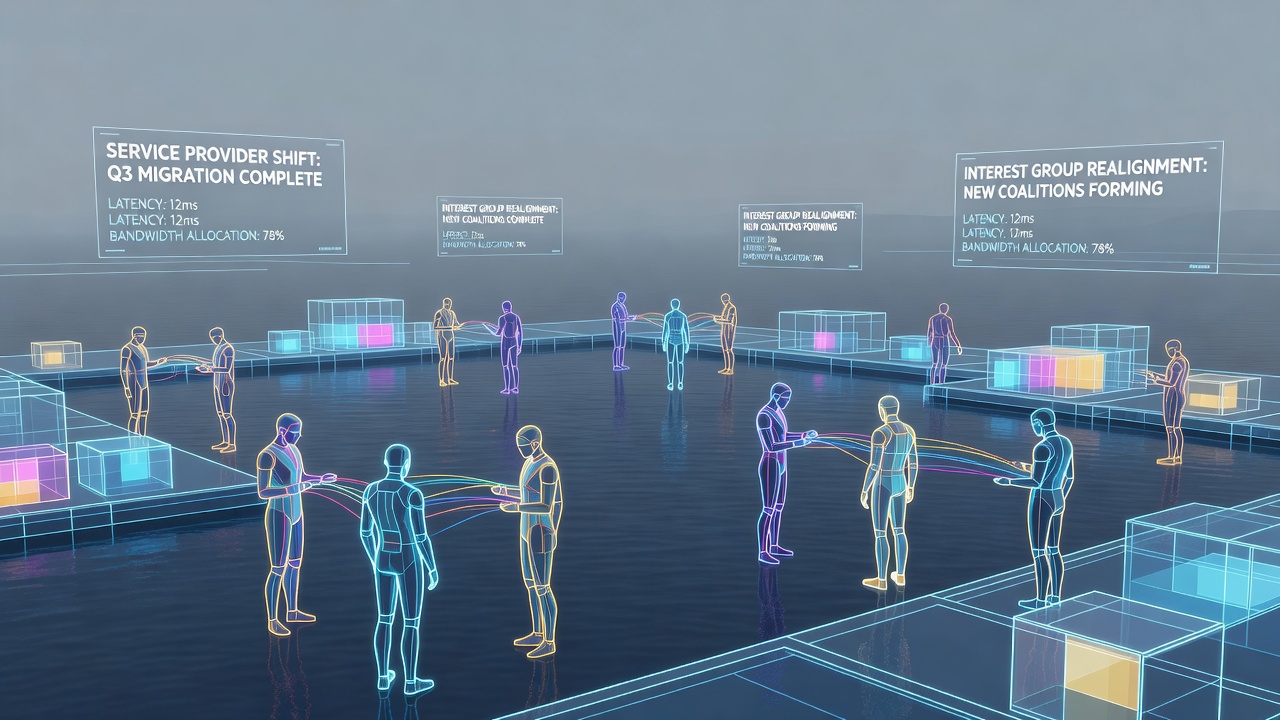
Those who've examined the logs note that the split occurred because one faction preferred direct file uploads while the other insisted on cloud-linked references, and the provider's default settings favored the second approach. External data from the European Commission's digital infrastructure monitoring program indicates that such factional divisions appeared in 19 percent of tracked harbor platforms that underwent similar migrations between July and November 2026.
Factors Shaping Post-Shift Realignment
Technical compatibility between old and new service architectures played a central role in how quickly groups stabilized, because incompatible export formats forced manual data reconstruction that consumed volunteer hours previously spent on event planning. Geographic distribution of members also mattered, since time zone differences became more pronounced when notification timing defaults changed without user customization options. Studies conducted by the National Research Council of Canada found that harbors with members spread across more than four time zones experienced 27 percent slower recovery in daily active users compared with regionally concentrated groups.
Policy adjustments by the new providers regarding content archiving further influenced dynamics, as some groups lost access to historical thread archives that had served as onboarding materials for newcomers. This loss prompted several interest circles to establish parallel documentation repositories on independent wikis, which in turn created additional layers of coordination work for organizers already managing migration tasks.
Conclusion
Service provider shifts in virtual harbor settings have produced measurable reorganization in interest group structures, with data indicating accelerated subgroup formation alongside occasional fragmentation when technical or policy incompatibilities arise. Patterns observed through October 2026 show that retention and collaboration metrics vary according to prior group size, geographic spread, and the degree of feature continuity offered by incoming platforms. Continued monitoring by research institutions will clarify whether these adjustments represent temporary disruptions or lasting structural changes in how maritime interest communities operate within digital harbor environments.