Erik Beck · 20 September 2026
Uncovering Niche Community Evolutions During Infrastructure Transitions in Coastal Digital Spaces
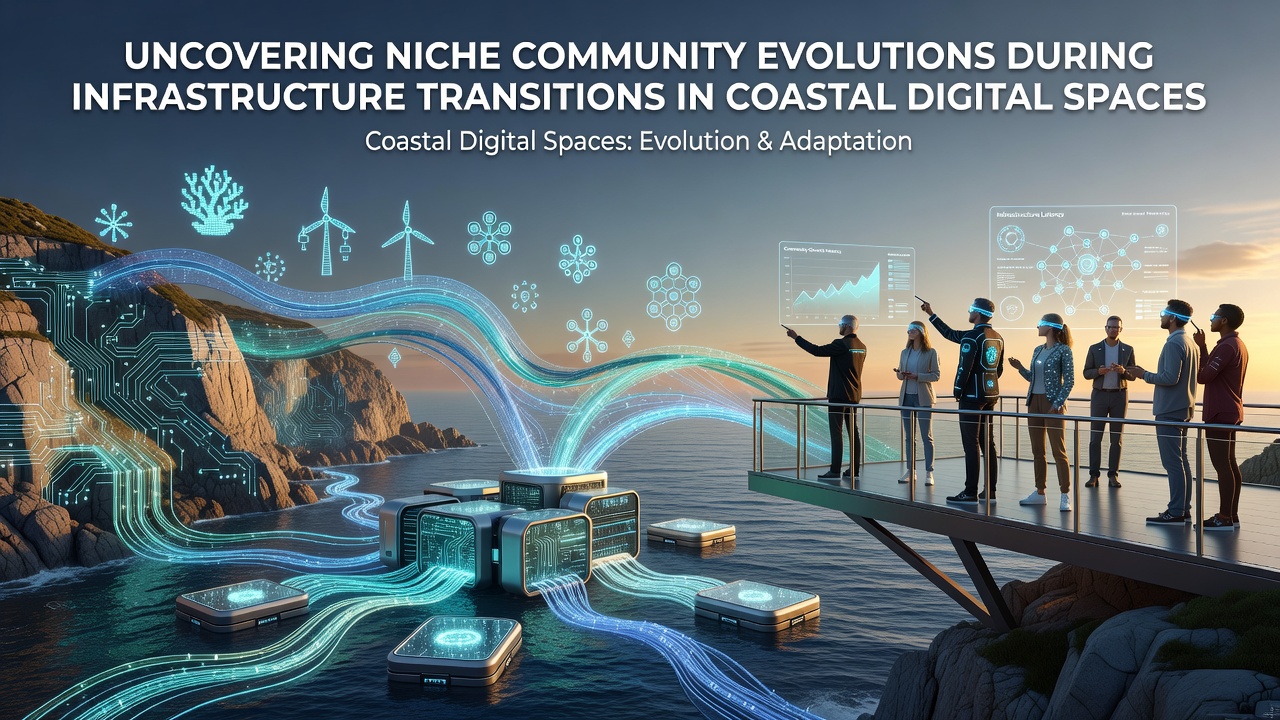
Coastal digital spaces refer to online platforms and forums centered on regions where land meets sea, and these environments have undergone repeated infrastructure shifts in recent years. Observers note that when hosting providers relocate data centers or when local networks upgrade their protocols, smaller groups focused on topics such as tide monitoring, coastal engineering discussions, and marine species tracking adjust their interaction patterns accordingly.
Patterns Observed in Platform Migrations
Studies from research institutions tracking online community behavior show that infrastructure changes often prompt shifts in membership distribution and content focus. For instance, when coastal forums migrate from legacy servers to cloud-based systems located farther inland, active participants frequently form satellite groups on alternative services to maintain real-time data sharing about wave patterns and erosion rates. Data collected across multiple regions indicates these adjustments occur within weeks of the transition announcement, with engagement metrics rising in threaded discussions that reference archived posts from the original platform.
Researchers at institutions in Canada and Australia have documented similar sequences during upgrades to fiber-optic networks serving coastal municipalities. One analysis released in early 2025 highlighted how groups dedicated to documenting seasonal beach changes adapted by incorporating new mapping tools that became available after the infrastructure update, resulting in expanded datasets shared among members.
September 2026 Transition Timeline
Industry reports project a coordinated series of infrastructure handoffs scheduled for September 2026 across several North American and European coastal zones. These changes involve the decommissioning of older regional data nodes and the activation of consolidated facilities designed for higher bandwidth demands. Figures from regulatory bodies in the United States and the European Union reveal that preparation phases include community consultations where niche users outline requirements for preserving historical threads on topics like harbor sedimentation and migratory bird routes.
During prior transitions, participants often established mirrored archives on decentralized networks to safeguard records of local environmental observations. Evidence suggests these practices help sustain continuity, particularly when new interfaces alter search functions or notification systems that previously supported daily check-ins among contributors.
Adaptations in Content Creation and Moderation
Communities centered on coastal digital spaces demonstrate measurable changes in how members generate and verify information following infrastructure moves. According to reports issued by academic centers studying digital ecology, moderation teams introduce new tagging systems to categorize posts that reference updated geographic information systems introduced during the transition. This reorganization allows continued focus on specialized subjects such as sediment transport models without losing access to earlier datasets.
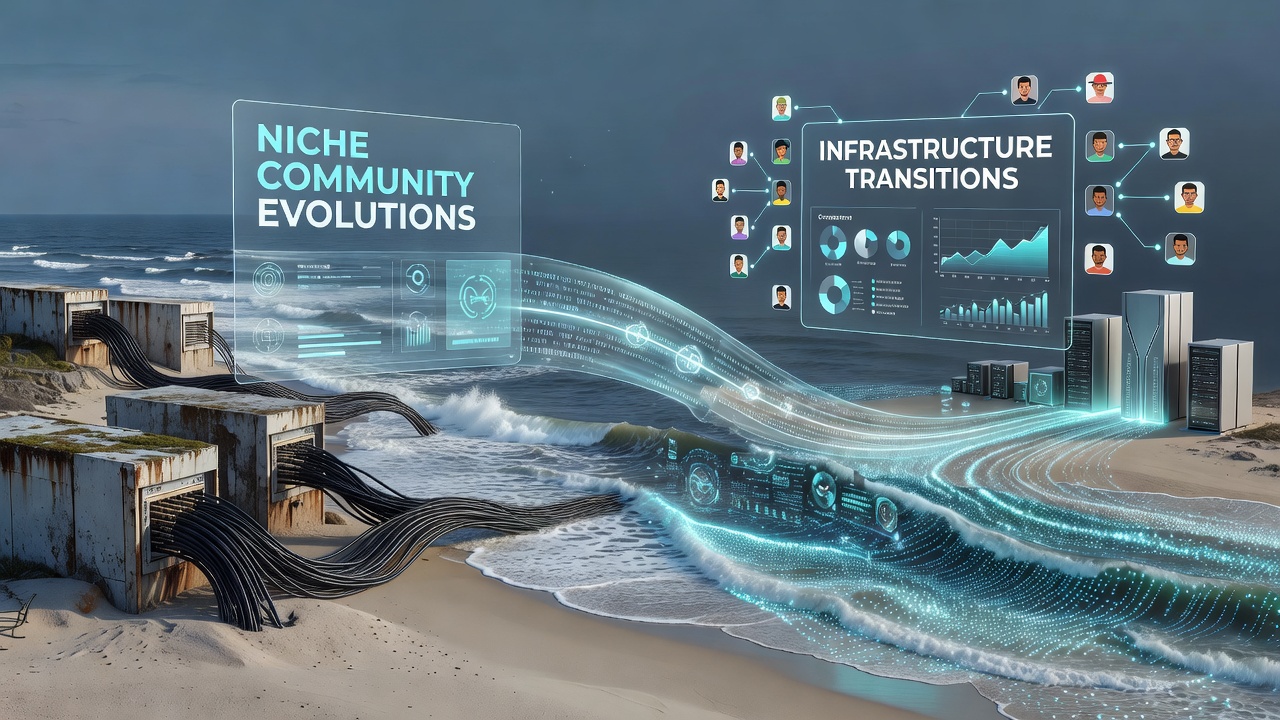
Groups operating in the Asia-Pacific region have shown parallel developments, with members integrating automated scripts that sync data across the old and new hosting environments. These scripts maintain timestamp accuracy for time-sensitive reports on storm impacts, ensuring that longitudinal studies remain intact. Observers note that such technical adaptations frequently coincide with increased cross-posting between related forums, creating denser networks of information exchange.
Geographic Variations in Community Response
Responses differ according to the regulatory environment and available connectivity options in each coastal area. In locations where government agencies provide open data portals, communities leverage these resources to offset disruptions caused by private infrastructure changes. Canadian research groups, for example, have linked their forums directly to federal oceanographic databases, allowing seamless updates when local servers undergo maintenance.
Similar linkages appear in Australian contexts where industry organizations publish guidelines for maintaining digital continuity during network upgrades. These documents detail steps for exporting and re-importing user-generated content, reducing the risk of data fragmentation that sometimes follows platform relocations.
Conclusion
Transitions in coastal digital infrastructure continue to shape how niche communities organize, archive, and distribute specialized knowledge. Data from multiple international sources confirms that proactive archiving, interface customization, and inter-group coordination remain consistent responses across different geographic settings. As the September 2026 schedule approaches, ongoing monitoring by research institutions will track whether established adaptation patterns persist or evolve further under the new technical conditions.